Overview
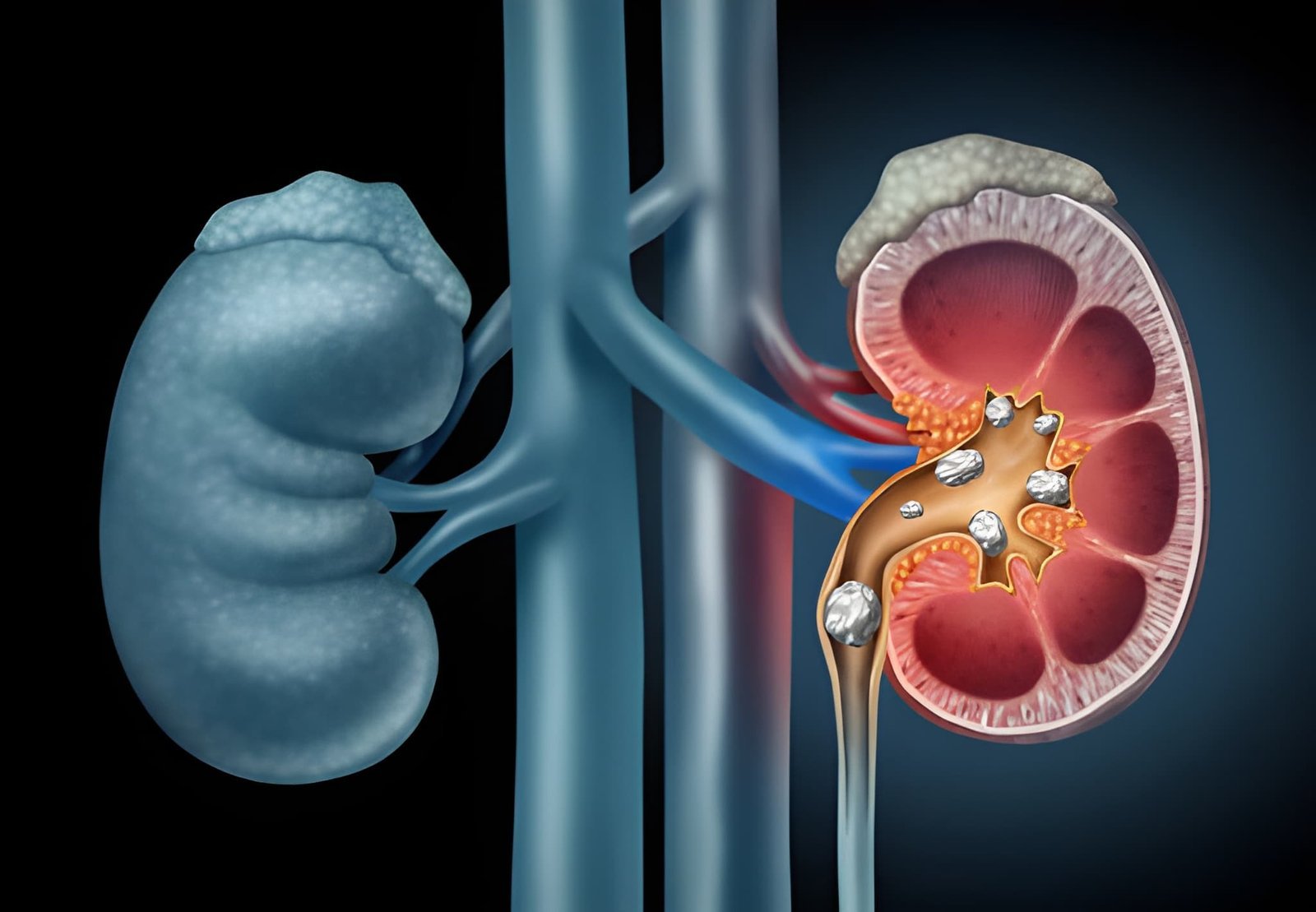
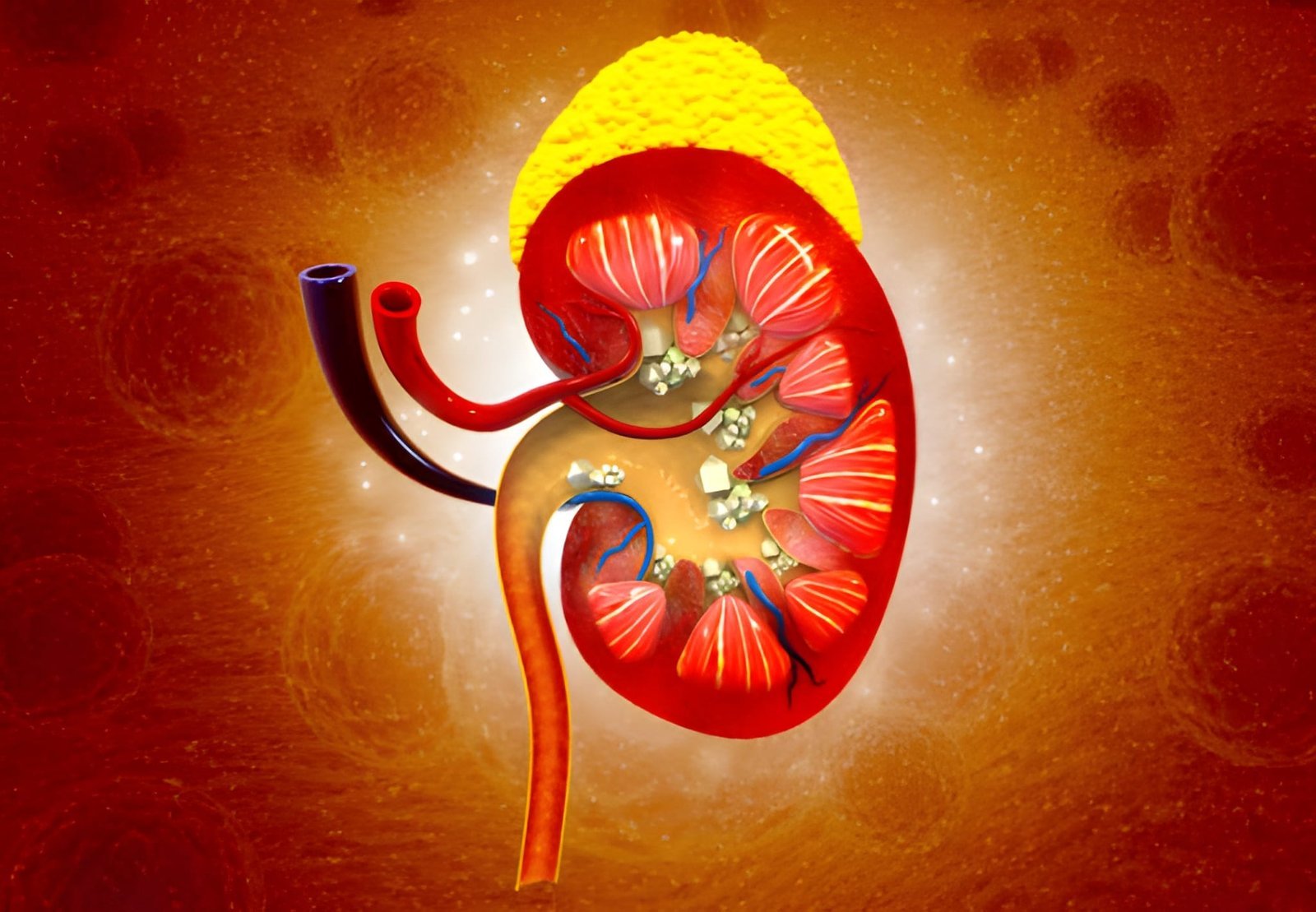
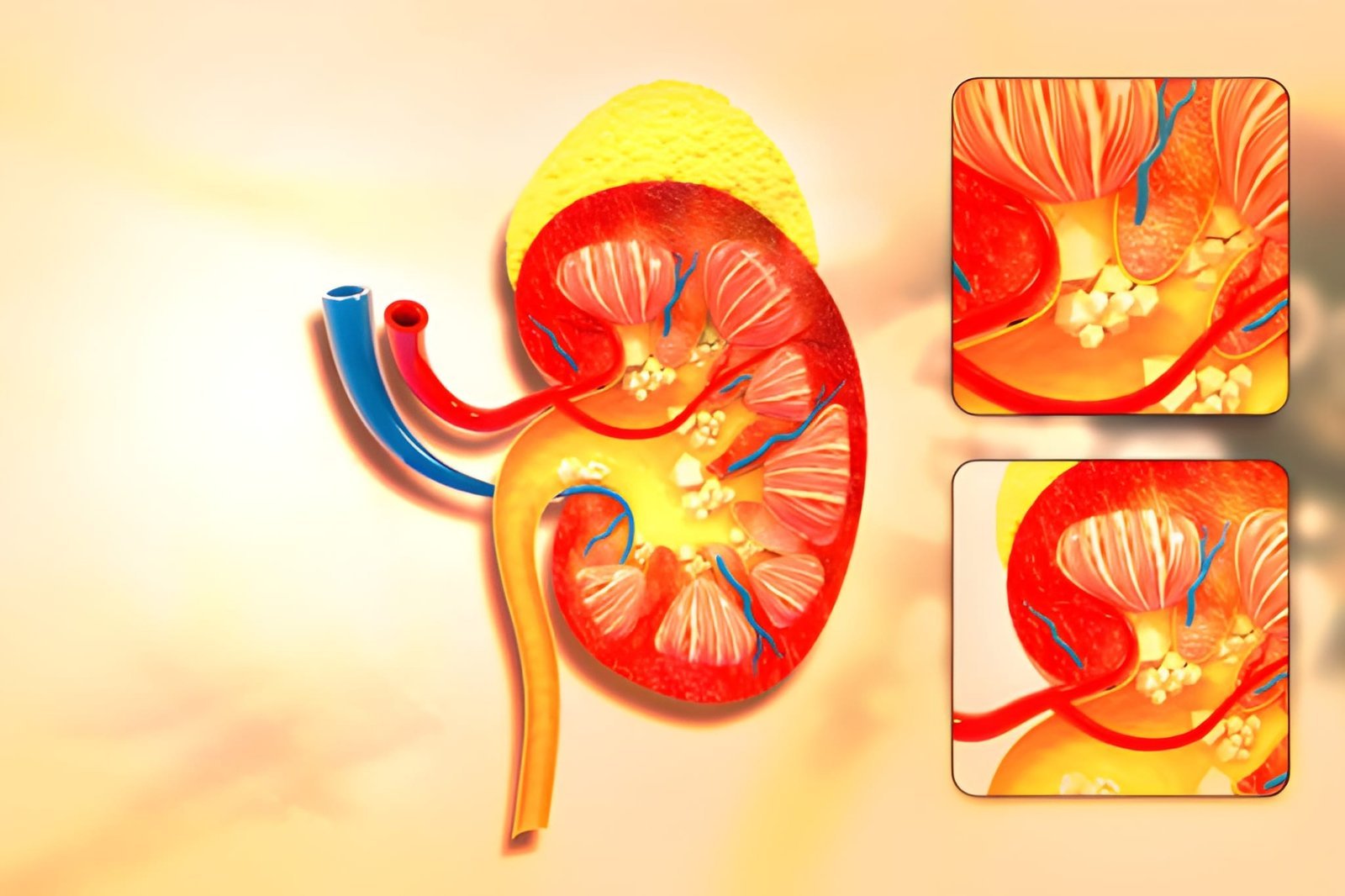
Percutaneous Nephrolithotomy (PCNL) is a minimally invasive surgical procedure used to remove kidney stones that are too large to pass naturally or cannot be treated effectively with other methods.
The term “percutaneous” means through the skin. During this procedure, a small incision is made in the back to create a pathway directly to the kidney. Through this pathway, the surgeon inserts specialized instruments through a thin tube to locate, break, and remove the kidney stones.
PCNL is commonly recommended for large, complex, or multiple kidney stones, especially when other less invasive treatments are not suitable or have not been successful.
When is PCNL Recommended?
Doctors usually suggest PCNL in the following situations:
When large kidney stones block multiple branches of the kidney's collecting system (known as staghorn stones).
When kidney stones are larger than 2 cm (0.8 inches).
When large stones are located in the ureter, the tube connecting the kidney to the bladder.
When other treatments such as shockwave therapy or ureteroscopy have failed.
Possible Risks
Like any surgical procedure, PCNL carries certain risks, including:
However, serious complications are uncommon when the procedure is performed by experienced surgeons.
Preparation Before Surgery
Before undergoing PCNL, several tests are performed to ensure safety and proper planning:
Patients are usually advised to avoid eating or drinking after midnight before the surgery. It is important to inform the medical team about any medications, vitamins, or supplements being taken, as some may need to be stopped temporarily.
Doctors may also prescribe antibiotics to reduce the risk of infection.
What to Expect During the Procedure
PCNL is generally performed in the hospital under general anesthesia, meaning the patient will be asleep and feel no pain during the surgery.
In some cases, the initial step may be done in the radiology department using local anesthesia before moving to the operating room.
The surgeon begins by inserting a special needle into the kidney’s urine-collecting chamber (calyx) using imaging guidance such as X-ray, CT scan, or ultrasound.
Once the pathway is created:
A thin tube called a sheath is inserted through the small incision in the back.
Specialized instruments are passed through this tube to break the stones into smaller pieces and remove them.
In some cases, a nephrostomy tube is placed to drain urine from the kidney into a collection bag outside the body during recovery.
The removed stones are sent to a laboratory for analysis to determine their type, which helps doctors recommend ways to prevent future stones.
Recovery After the Procedure
Most patients stay in the hospital for 1 to 2 days following the surgery.
During recovery:
Heavy lifting and strenuous activities should be avoided for 2 to 4 weeks.
Many patients can return to work within about a week, depending on their condition.
If a drainage tube is placed, patients should monitor for excessive bleeding or unusual clots in the urine. Any fever, chills, severe pain, or unusual symptoms should be reported to a doctor immediately, as they may indicate infection.
Follow-Up and Results
A follow-up appointment is usually scheduled 4 to 6 weeks after surgery to evaluate recovery.
Doctors may perform imaging tests such as:
These tests help confirm that all stones have been removed and that urine is flowing normally.
If a nephrostomy tube was placed, it will typically be removed during a follow-up visit using local anesthesia.
Further blood tests may also be recommended to determine the cause of the stones and to guide preventive measures such as dietary changes, medications, or lifestyle adjustments.