Transurethral Resection of the Prostate (TURP)
What is TURP?
Transurethral Resection of the Prostate (TURP) is a surgical procedure used to treat urinary problems caused by an enlarged prostate gland.
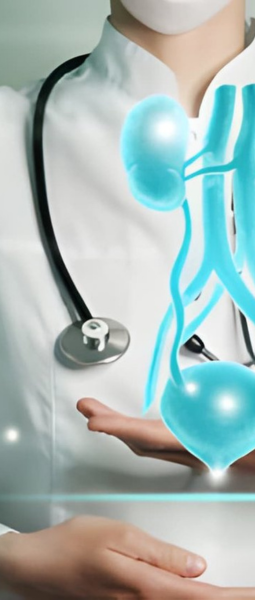
The prostate is a small gland found only in men. It lies just below the bladder and surrounds the urethra, the tube that carries urine out of the body. When the prostate becomes enlarged, it can press against the urethra and block the normal flow of urine.
During a TURP procedure, the surgeon removes the enlarged portion of the prostate through the urethra using specialized instruments inserted through the penis. No external cuts or incisions are required.
How TURP is Performed
The procedure uses a surgical instrument called a resectoscope, which is passed through the tip of the penis into the urethra and prostate area.
The resectoscope contains:
A small camera for visualization
A light source
Irrigation channels for fluid flow
A wire loop that uses electrical energy to cut tissue and control bleeding
The surgeon carefully removes the excess prostate tissue blocking the urethra. The removed tissue fragments are flushed into the bladder using fluid and later removed from the body.
In some cases, a variation called Button TURP is used, where a small button-shaped electrode vaporizes the prostate tissue using electrical energy instead of cutting it.
Why is TURP Done?
TURP is most commonly performed to relieve symptoms caused by Benign Prostatic Hyperplasia (BPH). BPH is a non-cancerous enlargement of the prostate that commonly occurs with aging.
Symptoms that may require TURP include:
Difficulty starting urination
Weak urine flow
Frequent urination, especially at night
Incomplete bladder emptying
Urinary retention (inability to urinate)
Sometimes TURP is also performed to relieve urinary blockage caused by prostate cancer, particularly when complete prostate removal is not possible.
Possible Risks and Complications
Like any surgical procedure, TURP carries certain risks. These may include:
Bleeding during or after surgery
Infection
Blood in urine after the procedure
Bladder injury
Temporary difficulty urinating
Erectile dysfunction (rare)
Retrograde ejaculation (semen flows into the bladder instead of out through the penis)
Scar tissue formation in the urethra
Electrolyte imbalance due to absorption of irrigation fluids
Your doctor will discuss these risks with you before the surgery.
Preparing for TURP Surgery
Before the procedure, your healthcare provider will guide you through several preparation steps, such as:
Reviewing your medical history and medications
Performing physical examination and blood tests
Advising you to stop certain medications like blood thinners
Asking you to avoid eating or drinking for several hours before surgery
Informing the doctor about allergies to medicines or anesthesia
Advising smokers to stop smoking before surgery for better recovery
You may also be given medication before the procedure to help you relax.
What Happens During the Procedure
TURP is usually performed in a hospital and may require a short stay.
During the surgery:
You will change into a hospital gown.
An IV line will be inserted for fluids and medications.
Anesthesia will be given, either general anesthesia (you are asleep) or spinal anesthesia (you are awake but numb from the waist down).
Your vital signs such as heart rate, blood pressure, and oxygen levels will be monitored.
The surgeon may first examine the bladder and urethra using a cystoscope.
The resectoscope is then inserted to remove the obstructing prostate tissue.
The removed tissue is flushed into the bladder and then drained out.
At the end of the procedure, a catheter is placed in the bladder to drain urine.
Recovery in the Hospital
After surgery, you will be moved to a recovery area where medical staff will monitor your condition.
Once you are stable:
You will return to your hospital room.
Pain medications may be given if needed.
You will gradually start drinking fluids and eating food.
The urinary catheter usually remains in place for 1 to 3 days to allow urine to drain while the prostate heals.
It is common to see some blood in the urine during the first few days after surgery. A flushing system may be used through the catheter to keep the bladder clear.
Recovery at Home
After discharge, recovery continues at home. Patients are usually advised to:
Drink plenty of water to flush the bladder
Avoid heavy lifting and strenuous activities for several weeks
Take prescribed medications as directed
Rest adequately during the initial recovery period
Avoid driving until approved by the doctor
Mild discomfort or soreness may occur for a few days after surgery.
When to Contact Your Doctor
Seek medical advice if you experience:
Fever or chills
Difficulty passing urine
Loss of bladder control
Increased bleeding or large blood clots in urine
Significant changes in urine color or smell
Follow-Up Care
Your healthcare provider will schedule a follow-up appointment to monitor recovery and ensure the urinary flow has improved.
Additional instructions or lifestyle adjustments may also be recommended depending on your condition.
business
Bring Innovation to Your Company
Let’s start the journey towards success and enhance revenue for your business.

Dr. Gnana Prakash Polumatla
M.S. M.CH ( Urology )
Dr. Gnana Prakash Polumatla
M.S. M.CH ( Urology )
- Phone:+91 90930 39039
- Email:shriurology@gmail.com
Dr. Gnana Prakash Polumatla
M.S. M.CH ( Urology )
Dr. Gnana Prakash Polumatla
M.S. M.CH ( Urology )
- Phone:+91 90930 39039
- Email:shriurology@gmail.com
Dr. Gnana Prakash Polumatla
M.S. M.CH ( Urology )
Dr. Gnana Prakash Polumatla
M.S. M.CH ( Urology )
- Phone:+91 90930 39039
- Email:shriurology@gmail.com
Dr. Gnana Prakash Polumatla
M.S. M.CH ( Urology )
Dr. Gnana Prakash Polumatla
M.S. M.CH ( Urology )
- Phone:+91 90930 39039
- Email:shriurology@gmail.com